TX Rodent Control
Rodent Exterminator in Heath, TX
Updated
Almost every home in Heath stands on its own lot. Census estimates put 97.0% of Heath's housing units in single-family detached houses, and 52.6% of units were built in 2000 or later. A detached house on a big lot often comes with a shed, a detached garage or a dock, and each is one more building to check. The steps below start outside with those buildings and the water's edge, then move to the house.
Source: U.S. Census Bureau, American Community Survey 5-Year Estimates, 2019-2023, table B25024; U.S. Census Bureau, American Community Survey 5-Year Estimates, 2019-2023, table B25034
No obligation · Same-day service in many areas
Three Rodents to Recognize on a Heath Lot
Roof Rat
A roof rat is built for climbing: light frame, pointed muzzle, large thin ears and a tail longer than the rest of it. It gets onto a house from trees, pergolas and fence lines. Check the attic, the tops of stored boxes in the garage rafters and any boat cover for droppings with tapered ends.
Norway Rat
The Norway rat is a ground rat with a stout body and a tail shorter than its body. It tunnels along foundations, retaining walls and the edges of concrete pads. Fresh burrows have loose soil at the mouth. Look near water, feed storage and the base of outbuildings.
House Mouse
Small, quick and curious, the house mouse has a pointed face and a tail about as long as its body. It settles in garages, pool equipment rooms and storage sheds before moving into the house. Signs are tiny dark droppings on shelves and chewed corners on bags of seed.
Rats on Heath Lots With Docks, Sheds and Open Ground
On a large lot, rats have room to live outdoors without being noticed. They burrow along retaining walls and under sheds, and they feed on spilled seed, fallen fruit and pet food. Walk the whole property, including the fence line and any structure near the water. Store boat cushions, life jackets and covers where you can inspect them, since rats shred that material for nests. Keep feed in metal bins with tight lids. The rat control guide explains how trapping and sealing fit together.
What to check
- Look along retaining walls and garden edging timbers for burrow openings.
- Check under the boat cover and in dock storage for nesting material.
- Inspect the ground beneath bird feeders for droppings and spilled seed.
Mice in Heath Garages and Outbuildings
With 97.0% of Heath units detached, nobody shares your walls, and every opening a mouse uses is on your own buildings. Outbuildings come first. A mouse that winters in the pool equipment room or the detached garage is a short run from the house. Keep those spaces tidy, put seed and pet food in sealed cans and set snap traps along the walls. Then check the house itself where the garage meets the kitchen or laundry. The mouse control guide gives placement details.
Source: U.S. Census Bureau, American Community Survey 5-Year Estimates, 2019-2023, table B25024
What to check
- Open the pool equipment enclosure and look for droppings on the pad.
- Check the detached garage for chewed bags and nests in stored fabric.
- Look at the base of the door between the garage and the house.
Sealing the House and Every Other Building on the Lot
Exclusion is the sealing that keeps rodents from returning. Heath has a mix of ages to deal with: 52.6% of units were built in 2000 or later and 36.9% between 1980 and 1999. The newer houses tend to have open weep holes and builder gaps around lines, while the older ones add worn door seals and tired vent screens. Whatever the age, list every building on the lot and treat each one. A sealed house beside an open shed still has rodents nearby. The rodent exclusion guide lays out the steps.
Source: U.S. Census Bureau, American Community Survey 5-Year Estimates, 2019-2023, table B25034
What to check
- Count the buildings on the lot and check the door seal on each.
- Look at weep holes along the brick for missing covers.
- Check attic vents on the house and the detached garage for sound screens.
Outbuilding Doors, Weep Holes and Patio Covers
Detached Garage and Shed Doors
Side doors on outbuildings often hang with a wide gap at the threshold. Add a sweep and weatherstrip, and check the bottom corners of any roll-up door for light.
Weep Holes in Brick
The small openings left along the bottom row of brick let moisture out, and mice can use them. Fit purpose-made covers or stainless mesh that still lets the wall drain.
Pergolas and Patio Covers
A patio cover attached to the house gives rats a path to the eave. Look where the structure meets the wall and roof for gaps, and trim vines growing over it.
Nearly Every Heath Home Is a Detached House
Year built, share of housing units
9.1%
Built 1960 to 1979
±4.3 points
36.9%
Built 1980 to 1999
±6.2 points
52.6%
Built 2000 or later
±7.2 points
Source: U.S. Census Bureau, American Community Survey 5-Year Estimates, 2019-2023, table B25034
Building type, share of housing units
97.0%
Single-family detached
±1.2 points
Source: U.S. Census Bureau, American Community Survey 5-Year Estimates, 2019-2023, table B25024
The cards above read the same way a visitor would describe Heath. Detached houses make up 97.0% of housing units. Homes built in 2000 or later are 52.6% of units, those from 1980 to 1999 are 36.9% and those from 1960 to 1979 are 9.1%. Two other shares are held back from the cards because their margins of error are too wide.
Source: U.S. Census Bureau, American Community Survey 5-Year Estimates, 2019-2023, table B25024; U.S. Census Bureau, American Community Survey 5-Year Estimates, 2019-2023, table B25034
Lavon Dam Station Months Applied to Heath
Average low at or below 40F
January, February and December
Highest average highs
July and August
Source: NOAA National Centers for Environmental Information (NCEI), 1991-2020
Station: Lavon Dam, TX co-op weather station
Records from the Lavon Dam, TX co-op weather station, as published in NOAA's normals, supply Heath's month cards. Lows there average 40F or colder through December, January and February, and July and August post the top average highs. Close up sheds, boathouses and garages before winter sets in. Texas A&M AgriLife Extension teaches in its public health rodent course that the Norway rat breeds most in spring and in fall. Walk retaining walls and the back of the lot during both.
Source: NOAA National Centers for Environmental Information (NCEI), 1991-2020; Texas A&M AgriLife Extension Service, accessed 2026
Buildings and Acreage Set the Scope in Heath
Number of Structures
A house plus a detached garage, a shed and a dock box is four inspections. Each building adds traps, sealing and time, so list them all when you call.
Lot Size and Fence Line
A long fence line and wide yard take longer to walk for burrows than a small suburban lot. Tell the pro roughly how large the property is.
Attic and Garage Rafters
Rats nesting in attic insulation or among items stored in garage rafters mean ladder work and possibly cleanup. Ask what cleanup covers before agreeing to it.
Heath Properties and the Cities Around Them
This guide covers houses and properties inside the City of Heath. Census Bureau population figures published by USAFacts count Heath among the cities of Rockwall County, marking it as only partly inside the county. Garland, Mesquite, Dallas and Plano have separate guides on this site. Lots near the city limit should confirm which city's rules apply, since yard and trash requirements change across the line.
Source: USAFacts, from U.S. Census Bureau population estimates, accessed 2026
The Texas service area guide lists Heath under Rockwall County.
Heath Questions on Docks, Acreage and Stored Gear
They do. A covered boat or a closed dock box is dry, dark and rarely disturbed, and cushions and rope make good nesting material. Open storage often, shake out covers and look for droppings and chewed foam. Leave no food or bait on board, and set traps in dock storage if you find signs.
Start at the buildings and work outward. Check the house, then each garage, barn or shed, then the ground within a short walk of them. Rodents stay close to shelter and food, so feed storage, compost and woodpiles deserve more attention than open pasture.
Feed is what draws them. Rats eat spilled grain and will tunnel under a coop to reach it. Use hanging feeders, bring feed in at night, store it in metal cans and collect eggs daily. Line the base of the coop with buried wire mesh so nothing can dig in from outside.
Yes. Pool heaters and pump enclosures are warm and sheltered, and mice chew wiring inside them. Keep the area clear of leaves and stored items, look inside the heater cabinet for droppings each season and ask your pool service to tell you if they see nests or gnawed wires.
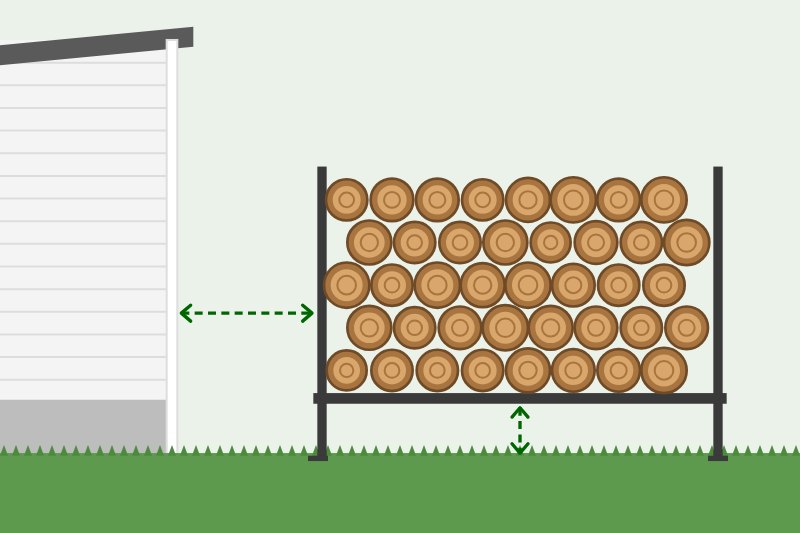
Keep the main stack well away from the house and off the ground on a rack. A pile against a wall hides burrows and gives rats a ladder to the roof. Bring in only what you will burn that evening, and restack the pile each year so nothing settles in for long.
Attic Rat and Entry Point Guides for Heath Owners
Free Heath Rodent Inspection
Droppings in the garage rafters or burrows along the retaining wall? A call puts you in touch with a trusted local pest pro, and your Heath property stays under no obligation.
(888) 733-3114No Obligation · Same-Day Service in Many Areas
- A local rodent control company picks up.
- They ask what you have seen and where.
- No obligation. Ask about an inspection and pick a time.
Start again at RodentExterminator.com.
Heath Sources
- U.S. Census Bureau, American Community Survey 5-Year Estimates, 2019-2023, table B25034
- U.S. Census Bureau, American Community Survey 5-Year Estimates, 2019-2023, table B25024
- NOAA National Centers for Environmental Information (NCEI), 1991-2020
- Texas A&M AgriLife Extension Service, accessed 2026
- USAFacts, from U.S. Census Bureau population estimates, accessed 2026