TX Rodent Control
Rodent Exterminator in Frisco, TX
Updated
The City of Frisco's own Animal Services page lists the main rodents found in the city as the Norway rat, the roof rat and the house mouse. Frisco is also overwhelmingly a newer city: Census estimates show 79.8% of its housing units built in 2000 or later. This page puts that guidance next to practical checks for a newer home, so you can tell what you are dealing with and what a good inspection should look at.
Source: U.S. Census Bureau, American Community Survey 5-Year Estimates, 2019-2023, table B25034; City of Frisco, TX, Police Department, Animal Services, accessed 2026
No obligation · Same-day service in many areas
Added Cable Lines and Other Frisco Entry Gaps
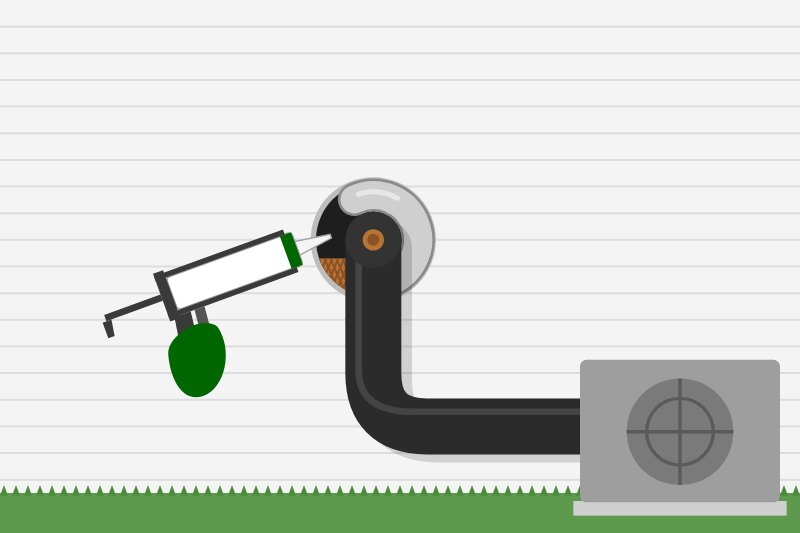
Cable and Wire Entries
Cable, internet and security lines are sometimes added after a house is built, and the hole drilled for them may be left unsealed. Check every spot where a line enters the wall.
Garage Door Seals
A garage is often the first room mice reach. A seal that is torn, flattened or short at the corners lets them walk in under a closed door.
Plumbing and Drain Openings
Gaps around drain lines, cleanouts and pipes that pass through the foundation or walls give ground-level rats a route in. Look under sinks and at exterior cleanout caps.
Shrubs and Overhanging Limbs
Landscaping grows fast. Shrubs pressed against the house and limbs reaching the roof give climbing rats cover and a path up. Keep a clear gap between plants and walls.
Three Rodents Frisco Animal Services Describes
Norway Rat
Frisco Animal Services describes Norway rats as generally staying at ground level or getting in through a sewer line or broken pipe. In a newer home, that makes the plumbing worth a look: a gap around a drain, a cracked cleanout cap or a burrow beside the foundation. This rat is heavy-bodied.
Source: City of Frisco, TX, Police Department, Animal Services, accessed 2026
Roof Rat
The city's rodent page says roof rats nest above ground, in trees, shrubs, attics and false ceilings. So check high: dense shrubs against the house, limbs over the roof and the attic space above the garage. A roof rat is slimmer than a Norway rat, with a longer tail.
Source: City of Frisco, TX, Police Department, Animal Services, accessed 2026
House Mouse
According to Frisco Animal Services, the house mouse can get into buildings more easily than rats because it is so small. That is why a mouse can turn up in a house with no obvious hole. Tiny droppings, nibbled food bags and nests of shredded paper in a drawer or cabinet are the usual signs.
Source: City of Frisco, TX, Police Department, Animal Services, accessed 2026
Frisco Asks for Storage 18 Inches Off the Ground
Frisco's rodent-proofing guidance asks residents to store boxes, firewood and equipment at least 18 inches off the ground and away from walls. That one habit removes the sheltered spots rats like to nest in along a garage wall or fence. Pair it with closed trash lids and pet food brought indoors, and a yard offers far less to a rat. If you are already seeing rats or burrows, the rat control page explains how trapping and sealing work together.
Source: City of Frisco, TX, Police Department, Animal Services, accessed 2026
What to check
- Lift boxes and equipment off the garage floor and away from walls.
- Look for a burrow or loose soil beside the foundation near plumbing.
- Trim shrubs back so they do not touch the siding or roof.
Frisco Mice Use Garage Seals and Utility Line Gaps
With 70.3% of Frisco housing units being single-family detached, the typical mouse question is about a house: its garage, kitchen and laundry room. Mice come in along the garage door seal or through gaps around utility lines, then move toward the kitchen and laundry room. They nest in insulation, behind appliances and in stored boxes. Snap traps set along walls where droppings appear are a usual first step, followed by sealing. The mouse control guide explains how to judge when trapping has done its job.
Source: U.S. Census Bureau, American Community Survey 5-Year Estimates, 2019-2023, table B25024
What to check
- Check the garage door seal at both corners for gaps and chewing.
- Look in stored boxes on the garage floor for shredded nesting material.
- Look behind the refrigerator and range for droppings along the wall.
Frisco's Rodent Proofing Steps as an Exclusion Outline
The City of Frisco's rodent-proofing steps are a good outline of what exclusion should cover. Seal holes as small as 1/4 inch around pipes, cables and wires with coarse steel wool or wire screen, and make sure doors, windows and screens fit tightly. In a newer home, the gaps tend to be installation details rather than decay: a cable entry cut wide, a vent without a screen, a door sweep that never met the threshold. Read about rodent exclusion for how those repairs fit into a full plan.
Source: City of Frisco, TX, Police Department, Animal Services, accessed 2026
What to check
- Look where cable and internet lines enter the house for open gaps.
- Close each exterior door and look for light at the sweep.
- Check window screens for tears and loose frames.
Frisco Housing Cards Show a Very New City
Year built, share of housing units
0.6%
Built before 1960
±0.2 points
1.4%
Built 1960 to 1979
±0.3 points
18.3%
Built 1980 to 1999
±1.1 points
79.8%
Built 2000 or later
±1.9 points
Source: U.S. Census Bureau, American Community Survey 5-Year Estimates, 2019-2023, table B25034
Building type, share of housing units
70.3%
Single-family detached
±0.7 points
24.9%
Buildings of 5+ units
±1.7 points
Source: U.S. Census Bureau, American Community Survey 5-Year Estimates, 2019-2023, table B25024
The housing cards make Frisco's newness plain: 79.8% of units date from 2000 or later and only 0.6% from before 1960. By building type, 70.3% of units are single-family detached and 24.9% are in buildings of five or more units. Newer construction still has gaps, and the checks on this page are aimed at the installation details a new home is more likely to have.
Source: U.S. Census Bureau, American Community Survey 5-Year Estimates, 2019-2023, table B25034; U.S. Census Bureau, American Community Survey 5-Year Estimates, 2019-2023, table B25024
Richardson Co-op Station Weather Applied to Frisco
Average low at or below 40F
January, February and December
Highest average highs
July and August
Source: NOAA National Centers for Environmental Information (NCEI), 1991-2020
Station: Richardson, TX co-op weather station
NOAA normals for Frisco's cards come from the Richardson, TX co-op weather station. December, January and February are the months with an average low at or below 40F, and the highest average highs arrive in July and August. Cooling nights are a sensible cue to look for gaps around the house. Texas A&M AgriLife Extension reports that Norway rat reproduction hits its peaks in spring and fall, which makes those seasons worth a walk around the foundation to spot fresh holes.
Source: NOAA National Centers for Environmental Information (NCEI), 1991-2020; Texas A&M AgriLife Extension Service, accessed 2026
Added Utility Lines Lengthen a Frisco Sealing Job
Number of Utility Penetrations
Every pipe, cable and line entering the house is a possible gap. A home with many added lines takes longer to seal properly than one with only the original openings.
Garage and Attic Access
Crowded garages and attics with limited walkways take longer to inspect. Clearing storage before the visit can shorten the inspection and make gaps easier to find.
Materials Used for Sealing
Metal mesh, wire screen and sheet metal cost more than foam but hold up better against chewing. Ask what material goes into each opening and compare plans on that basis.
Check That Your Address Falls in Frisco
This page is for homes and businesses in Frisco, which Collin County includes among its cities. Plano, McKinney, Allen and Prosper have their own pages here. Each city sets its own rules on yards, trash and property upkeep, so if your home is near a city boundary, confirm which city your address belongs to before relying on a rule.
The Texas service area guide lists Frisco under Collin County, along with Josephine and 12 other cities.
Frisco Questions on Steel Wool, Plumbing and Shrubs
Yes. The seasonal section above covers when Norway rat breeding peaks, citing Texas A&M AgriLife. Walking the foundation and shrub line during those stretches is a good way to catch fresh holes early. Check the garage door seal and the spots where cable and utility lines enter the wall too, since a newer Frisco home can still have those installation gaps.
For small holes around pipes and wires, tightly packed coarse steel wool or wire screen held in place with sealant can work well. Larger gaps need hardware cloth or sheet metal fastened over them. Foam alone is easy for rodents to chew through, so avoid it as the only barrier.
Get boxes, firewood and equipment up off the floor on shelves or racks and away from the walls. That removes hiding spots and lets you see droppings or gnawing quickly. Use hard plastic bins with lids instead of cardboard, and keep pet food and bird seed sealed.
It is possible. Rats that live at ground level can use broken pipes, open cleanouts and gaps around drain lines. Look for droppings or damp, dirty rub marks near floor drains and under sinks, check exterior cleanout caps, and ask a plumber to check any line you suspect is damaged.
Rats that nest above ground often use dense shrubs and trees for cover and may move into the attic. Trim shrubs back from the walls, remove limbs that touch the roof, and check the attic and soffits for droppings or chewed openings.
Mice in Walls and Entry Point Guides for Frisco
Free Frisco Rodent Inspection
Mice in the garage or rats in the shrubs? A call from Frisco goes to a trusted local pest pro; there is no obligation to agree to any work on your Frisco home.
(888) 733-3114No Obligation · Same-Day Service in Many Areas
- A local rodent control company picks up.
- They ask what you have seen and where.
- No obligation. Ask about an inspection and pick a time.
Start again at RodentExterminator.com.
Frisco Sources
- U.S. Census Bureau, American Community Survey 5-Year Estimates, 2019-2023, table B25034
- U.S. Census Bureau, American Community Survey 5-Year Estimates, 2019-2023, table B25024
- NOAA National Centers for Environmental Information (NCEI), 1991-2020
- City of Frisco, TX, Police Department, Animal Services, accessed 2026
- Texas A&M AgriLife Extension Service, accessed 2026
- Collin County, Texas, accessed 2026